What does the report say?
According to ANTARA News (1 November 2026), Indonesia's Minister of Primary and Secondary Education, Abdul Mu'ti, said the Free Nutritious Meal programme (known as MBG) does more than meet students' nutritional needs: it also raises school attendance. He spoke in an official statement in Jakarta after a cooperation agreement was signed between the ministry and the National Nutrition Agency (BGN).
- Attendance. The minister said numerous studies show a clear link between free nutritious meals and higher attendance. In his words: "Many children go to school because a healthy, nutritious meal awaits them."
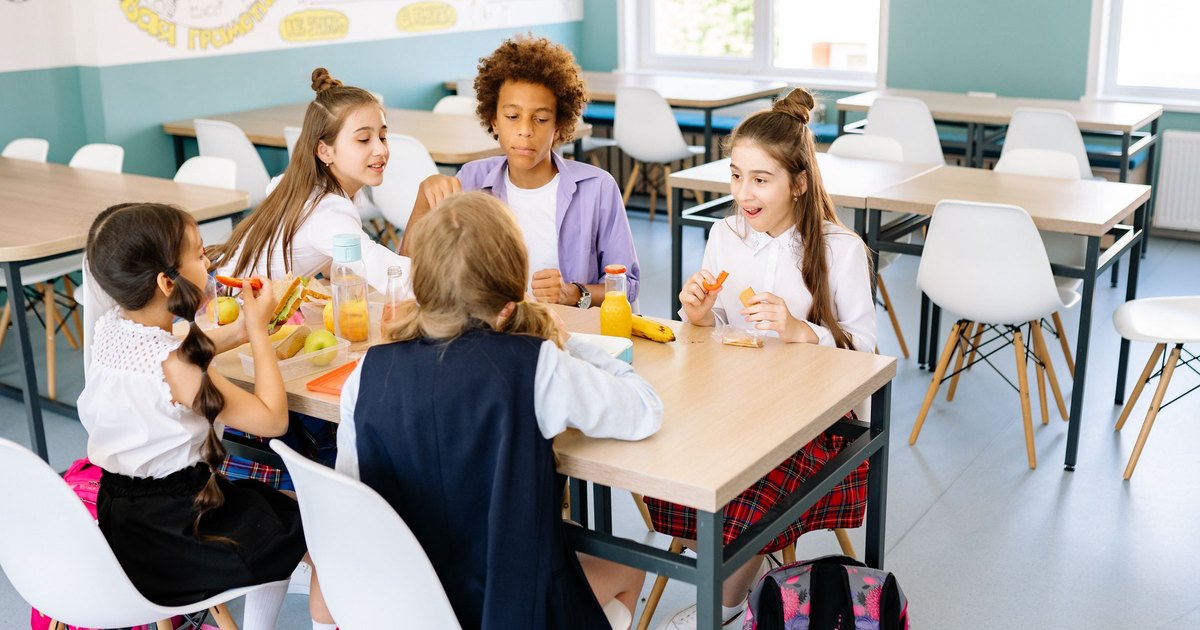
- Learning and character. He expects the programme to foster enthusiasm for learning and raise the overall quality of education. He also sees the daily meal as a chance to build habits: waiting in line, hygiene, praying before and after meals, and gratitude for food.
- Registered students only. The database of MBG recipients in the education sector has been integrated with the ministry's Education Main Data system, known as Dapodik, and the integration is being refined so that all beneficiaries are officially registered students.
- What schools provide. The head of BGN, Sudaryono, thanked the ministry for its support: school infrastructure and facilities, dedicated time for meals, and nutrition education in the curriculum.
The programme was launched in early 2025 as a key initiative of President Prabowo Subianto's administration and targets millions of beneficiaries nationwide, among them school-age children.
What the report does not say
The article gives no attendance figures and does not name the studies the minister refers to. It reports the minister's statement, so it tells us what the government believes, not how much attendance has actually changed.
What can a school head take from this?
These ideas are our own general suggestions, not statements from the report:
- Measure before you believe. Whether it is a meal, a snack, transport or a timetable change, compare attendance for a few weeks before and after. Your own numbers matter more than a general claim.
- Look at who is absent most often, and ask why. Hunger, distance and unpaid fees can all keep a child at home. A short conversation with the family tells you more than a list of absences.
- If your school offers meals, protect the time for them. The report mentions dedicated meal time as part of what schools provide. A calm, supervised break with a routine is part of the benefit.
- Keep the list of beneficiaries tied to your real student register. Indonesia links its meal recipients to its student data so that only registered students count. A school can do the same with a canteen or aid list.
- Use the routine to teach habits. Queuing, handwashing and thanking the people who prepared the meal cost nothing.
For the first idea you need clean attendance records. In ClassMata, the Attendance & Discipline module records absences and late arrivals day by day, class by class, so you can compare periods.